 How to Protect Your Garden From Frost & Coastal Winds
A Beginner-Friendly Guide for Forked River, NJ (Zone 7a)

If you live in Forked River, New Jersey, or anywhere along the Jersey Shore, winter brings two invisible troublemakers to your garden:
frost and coastal winds. You don’t even need deep snow for damage to happen. Cold, dry wind and salty air can quietly burn leaves, dry out roots, and weaken plants long before spring arrives.
The good news? With a few simple steps, you can keep your garden safe all winter long—even if you’re a total beginner and have never protected a plant before.
What Frost Actually Does to Your Plants
Frost happens when temperatures drop low enough that the water inside plant cells begins to freeze. This causes:
- Blackened or mushy leaves
- Drooping or collapsed stems
- Split or cracked tissue
- Root damage below the soil line
Once frost damage appears, it can’t be undone. That’s why our focus is on prevention. Think of frost protection as tucking your garden in for the night with a warm blanket.
Step 1: Cover Plants With Frost Cloth or Old Sheets

The easiest way to protect tender plants from frost is to cover them. You can use:
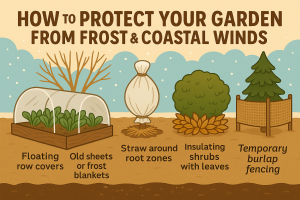
- Store-bought floating row covers (lightweight plant fabric)
- Old sheets, light blankets, or towels
How to do it (even if you’ve never tried this before):
- Check the forecast. If temperatures are expected to drop near or below freezing overnight, plan to cover your plants before sunset.
- Gently drape the cloth or row cover over your plants. It should look loose and tent-like, not tight.
- Use rocks, bricks, or small stakes to weigh down the edges so the wind can’t lift it away.
- In the morning, once temperatures rise above freezing, remove the cover so plants can get sun and air.
Important: Avoid laying plastic directly on leaves. Plastic can actually make frost damage worse by holding cold right against the plant.
Step 2: Insulate the Roots With Straw and Mulch
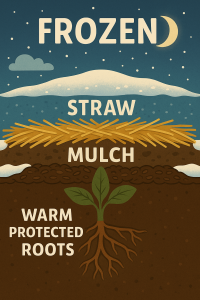
Roots are the heart of the plant. Even if the top freezes, plants often survive as long as their roots stay protected. In coastal New Jersey, where temperatures swing above and below freezing, a good root blanket is essential.
Use materials like:
- Clean straw
- Shredded leaves
- Bark mulch or wood chips
How to apply it:
- Wait until the ground has cooled but before it’s deeply frozen.
- Spread a 2–4 inch layer of mulch around the base of each plant.
- Keep mulch a little bit away from the main stem or trunk to avoid rot.
For shrubs like roses or lavender, you can also gently pile dry leaves around the base for extra insulation.
How Coastal Winds Damage Your Garden
Along the Jersey Shore, winter damage isn’t just about cold temperatures. Strong winds can:
- Pull moisture out of leaves, leaving them dry and burned
- Dry out soil and roots faster than you’d expect
- Make plants feel colder than the actual air temperature
This is called wind burn, and it can happen even when the thermometer doesn’t look that scary. That’s why wind protection is just as important as frost protection.
Step 3: Create a Burlap Wind Barrier
What you’ll need:
- Wooden or metal stakes
- Roll of burlap
- Twine or zip ties
How to set it up:
- Find the direction the strongest winter winds usually come from (often from the northwest).
- Drive stakes into the ground in a line a few feet in front of your plants.
- Attach the burlap to the stakes, creating a low fence or “wall.”
- Make sure the barrier is solid enough to slow the wind, but not airtight.
You’re not trying to block all the wind, just to soften the hit before it reaches your plants.
Step 4: Move Containers Against the House

Containers are more vulnerable to cold because their roots are above ground and exposed on all sides. One of the easiest ways to protect them is to take advantage of your house’s natural warmth.
For winter in Forked River, try this:
- Move pots close to an exterior wall, especially brick or stone.
- Choose spots that are out of the direct wind: near doors, on a porch, or beside a fence.
- Group pots together so they can share a pocket of warmer air.
You’ve just created a microclimate—a tiny, calmer, slightly warmer world for your plants.
Which Plants Need Extra Protection in Coastal New Jersey?
Not every plant needs pampering. Some are naturally tougher, while others are more sensitive to frost and wind. In Zone 7a, pay special attention to these:
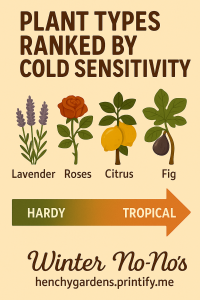
Roses
Roses dislike harsh winter wind and temperature swings.
Mound mulch or leaves around the base, and consider a burlap barrier if they’re in a windy spot.
Lavender
Lavender prefers dry roots. Give it good drainage and a light mulch, and avoid letting wet, heavy soil sit around the base all winter.
Young Fruit Trees
Thin bark and young roots are easily damaged. Wrap trunks with tree wrap or burlap and add mulch around the root zone (but not touching the trunk).
Citrus in Containers
Citrus is not naturally hardy in New Jersey. Move these pots into a garage, enclosed porch, or bright indoor spot before hard freezes arrive.
Fig Trees
Figs can survive here with help. Wrap them in burlap, add leaves or straw around the base, and use a wind barrier if they’re in an exposed spot.
🌬️ Remember: Wind burns roots long before frost kills leaves. If you protect the roots and soften the wind, you’ve already done the most important winter work.
- https://www.pinterest.com/HealthyHarvestCafe
- https://www.facebook.com/profile.php?id=61573707443744
- https://henchyfamilygardens.blogspot.com/
- https://www.instagram.com/henchygardens/
- https://www.youtube.com/@HenchyFamilyGarden
- henchygardens.com
- henchygardens.info
- www.tiktok.com/@henchygardens
- https://x.com/HenchyGradens
- https://www.threads.com/@henchygardens
- https://henchygardens.printify.me/
- www.linkedin.com/in/raquel-henchy-b95499392
© Henchy Family Gardens
Leave a Reply