
What to Do in Your NJ Garden in December
(Zone 7a Guide)
December may feel like the gardening “off-season,” but in coastal New Jersey your garden is very much alive just resting.
Think of this month as your quiet setup phase: you’re tucking the garden in, protecting what you have, and gently learning the basics so spring feels exciting, not overwhelming.
Good news: Follow this even if you have never gardened before.

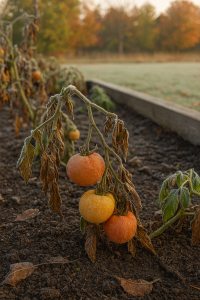
1. Remove diseased plants (don’t compost them)
Look for: mold, black or brown spots, mushy stems,
or plants that rotted during fall.
- Put on gloves and pull the whole plant out, roots and all.
- Bag it for the trash/municipal yard waste
(not your compost pile).
- Wash your hands and wipe your tools when you’re done.
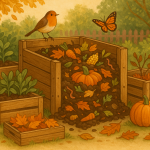
If a plant simply turned brown from cold but wasn’t sick, you can compost it. When in doubt, throw it out.
2. Cut back perennials (leave a winter “stump”)

Perennials are plants that come back every year, like hostas, coneflowers, and black-eyed Susans.
- Snip the dead, brown stems so that 2–3 inches remain above the soil.
- Skip cutting roses, evergreens, and lavender unless the growth is clearly dead.
3. Mulch garden beds (a blanket for the soil)

Use shredded leaves, straw, pine needles, or wood chips.
- Spread a 2–4 inch layer over bare soil.
- Keep mulch slightly away from plant stems and tree trunks.
Why: mulch keeps roots warmer, slows weeds, and gently feeds your soil.
4. Protect shrubs & young trees from wind
Cold wind can dry plants out more than snow.
- Wrap young trees, hydrangeas, roses, boxwoods, and blueberries.
- Use burlap, frost cloth, or an old sheet (never plastic).
- Wrap loosely so air can move and secure with string or twine.
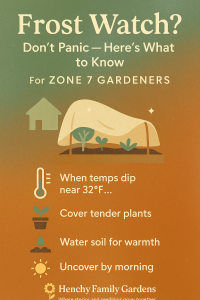
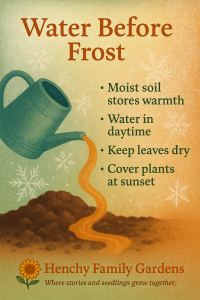
5. Water before a deep freeze
Why: moist soil protects roots better than bone-dry soil.
- Water beds, shrubs, and young trees a day or two before a big freeze.
- Focus on raised beds, garlic, and any overwintering vegetables.
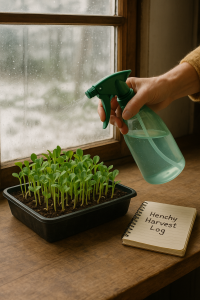
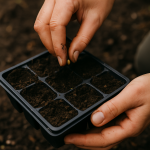
1. Start microgreens (7–14 day harvest)
Microgreens are tiny, edible baby plants that you harvest when they’re 2–3 inches tall.
- Use a shallow container with drainage holes and fill with potting soil.
- Sprinkle seeds (broccoli, radish, peas, sunflower) thickly over the top.
- Mist with water so the soil is moist but not soggy.
- Cover loosely for 2–3 days, then uncover and place in bright light.
- Cut with scissors when they reach 2–3 inches tall and enjoy.
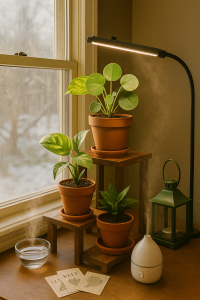
2. Grow windowsill herbs
Great beginner choices: basil, parsley, chives, thyme, and mint.
- Plant each in a small pot with a drainage hole.
- Place them in a bright window (south-facing is ideal).
- Water when the top inch of soil feels dry instead of on a schedule.
3. Inspect & clean garden tools
Clean tools last longer and are less likely to spread disease.
- Brush or wipe off dried dirt.
- Wash with warm, soapy water if needed.
- Dry completely and store in a dry spot.
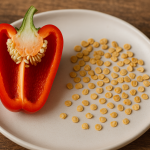
4. Organize seeds & supplies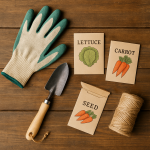
- Gather all seed packets in one place.
- Check dates and toss any that are very old or moldy.
- Sort into vegetables, herbs, and flowers so spring planning is easy.
Family garden tip
December is “dream and plan” month for kids.
- Let them look through seed catalogs and circle plants they like.
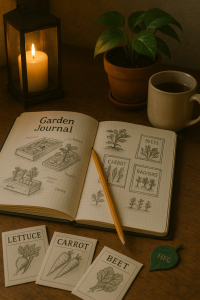
- Give them a page in a “garden journal” to name their future plants.
- Let them help choose which microgreens or herbs to grow indoors.
This builds ownership and excitement long before the first seed touches the soil.

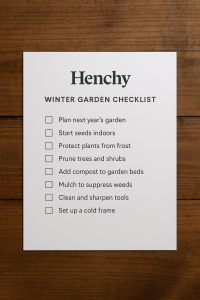
- Pull and bag obviously sick plants
- Cut back dead perennials, leave 2–3 inch stumps
- Mulch garden beds with leaves, straw, or chips
- Wrap young trees or tender shrubs
- Water beds and shrubs before deep freezes
- Start one tray of microgreens indoors
- Plant at least one windowsill herb
- Clean and dry your main garden tools
- Gather and sort seed packets
- Look through seed catalogs with your family








 Home
Home
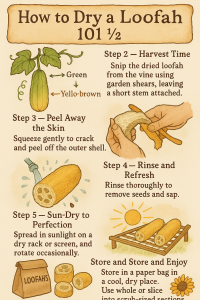 🌞 Processing & Drying After Harvest
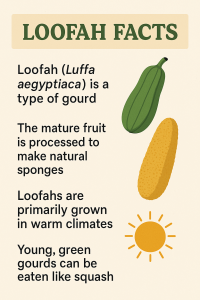 🌿 Conditions
 If harvested damp or slightly green, let loofahs rest indoors for 24 hours in a warm, dry room, then move them to the garage/greenhouse to finish.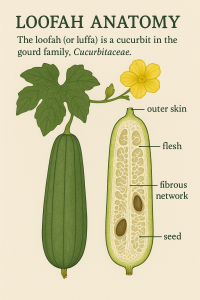
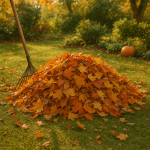
 Fall Bed Clean-Up:
What to Pull, What to Leave
Fall Bed Clean-Up:
What to Pull, What to Leave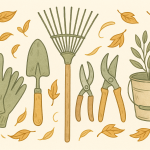







 Overwatering is the quiet culprit behind droopy leaves, root rot, and pest problems—yet underwatering can stress plants just as quickly. The secret isn’t watering more; it’s watering smarter:

