Author: Raquel

  • Seed Starting Timeline (Zone 7a)

      Seed Starting Timeline (Zone 7a)

    Your month-by-month guide from cozy indoor starts to thriving beds 🌿

    In Zone 7a (hello, Jersey Shore friends! 👋), the gardening year is anchored by an average last spring frost in mid-April and an average first fall frost in early November. Use those bookends to plan your sowing. This guide gives you a clear, beginner-friendly timeline: what to start indoors, when to direct-sow outside, and how to pace your season.
    Quick anchor dates: Plan around a target last frost ~April 10–20 and first frost ~Nov 1–10. Adjust a week or two for your exact microclimate.

    Count Back from Your Last Frost (Mid-April)

    Use the chart below to time indoor sowing and transplants. “LSF” = last spring frost.

    When Start Indoors Direct-Sow Outdoors Notes
    1–12 wksbefore LSFlate Jan–early Feb
    Onions (seed), leeks, celery
    Long lead-time crops;bright light essential.
    8–10 wksbefore LSFmid–late Feb
    Broccoli, cabbage, cauliflower, kale, chardflowers: snapdragon
    Cool-season brassicas like a head start.
    6–8 wksbefore LSFlate Feb–early Mar
    Tomatoes, lettuce, parsley; flowers: marigold
    Peas, spinach, radisharugula if soil workable
    Sow peas outdoors once soil is ~40–45°F.
    4–6 wksbefore LSFmid–late Mar
    Peppers, eggplant, basil (warmth + grow lights)
    Carrots, beets, turnips, more spinach/lettuce
    Bottom heat (75–80°F) speeds pepper/eggplant germination.
    2–4 wksbefore LSFlate Mar–early Apr
    Cucumbers* (optional), summer squash* (optional), zinnias*
    Potatoes, scallions, cilantro, dill; succession radish/lettuce
    *Start in large cells; they dislike root disturbance.
    1 to 2 wks after LSFmid–late Apr
    Harden off  7–10 days prior
    Beans, corn once soil warms; direct cucumbers/squash
    Protect with row cover if nights dip below 50°F.
    2–4 wksafter LSFApr- May
    Melons, okra, sunflowers; second sowing of beans/corn
    Warm soil = faster germination and fewer setbacks.

    Month-by-Month Snapshot (Zone 7a)

    Jan–Feb

    Start onions/leeks/celery indoors. Inventory seeds, set up lights, test germination on older seed.

    March

    Start brassicas, tomatoes, and herbs indoors. Direct-sow peas, spinach, and radish when soil is workable.
    April

    Harden off transplants. After last frost, plant beans, corn, cucumbers, and squash. Protect on chilly nights.

    May

    Transplant tomatoes/peppers/eggplant. Direct-sow melons/okra/sunflowers. Mulch 2–3″ to conserve water.

    June–July

    Succession-sow beans, corn, cucumbers. Start fall brassicas indoors late July (6–8 wks before Sept transplant).

    Aug–Sept

    Transplant fall brassicas. Direct-sow carrots, beets, spinach for fall harvest. Start lettuce every 2 weeks.

    Oct–Nov

    Finish fall plantings early Oct. Add row covers for frost. Plant garlic late Oct–Nov for next summer harvest.
    Hardening Off (The Week that Saves Your Season)

    1. 7–10 days before transplant, place seedlings outdoors in dappled shade for 2–3 hours; bring in at night.
    2. Increase sun and wind exposure daily; keep soil evenly moist.
    3. Transplant on a cloudy day or late afternoon; water deeply and mulch.
    Tip: A simple low tunnel (hoops + row cover) buys you a few degrees of protection in spring and fall.

    Quick Crop Guide (Zone 7a Favorites)

    Crop

    Start Indoors

    Transplant/Direct-Sow

    Notes

    Tomato

    6–8 wks

    before LSF

    After LSF

    (soil 60°F+)

    Harden off;

    mulch; stake early.

    Pepper / Eggplant

    8–10 wks

    before LSF

    w/ heat mat

    1–2 wks after LSF

    (nights 55°F+)

    Love warmth;

    slow to start.

    Cucumber / Squash

    2–3 wks

    before LSF

    (optional)

    At/after LSF

    (or direct-sow)

    Use large cells;

    minimal root

    disturbance.

    Beans / orn

    Direct-sow

    after LSF

    (warm soil)

    Succession every

    2–3 weeks.

    Lettuce / Greens

    4–6 wks

    before LSF

    Direct-sow 4–6 wks

    before LSF onward

    Bolt-prone in heat;

    partial shade helps.

    Carrot / Beet

    Direct-sow 4–6 wks

    before LSF

    Fine seed; keep surface evenly moist.

    Broccoli / Cabbage / Kale

    8–10 wks before LSF (spring) & late July (fall)

    Transplant 2–4 wks before LSF (spring) & Sept (fall)

    Row cover helps with pests.

    Herbs (Basil, Parsley, Dill)

    Basil 4–6 wks; Parsley 8–10 wks; Dill direct-sow

    Basil after LSF; Dill anytime cool; Parsley before/after LSF

    Basil loves heat; dill prefers cool shoulder seasons.

    Seed-Starting Basics (Success Boosters)
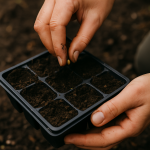
    • Light: 14–16 hours/day under grow lights keeps seedlings sturdy.
    • Heat: 70–75°F air; 75–80°F soil for peppers/eggplant.
    • Airflow: A small fan reduces damping-off disease.
    • Watering: Keep mix evenly moist; bottom-water when possible.
    • Feeding: Start a half-strength fertilizer 2–3 weeks after germination.
    • Potting up: Move into larger cells when roots fill starter cells.

    Printable Mini-Checklist
    • Find your exact frost dates; set LSF in mid-April, adjust locally.
    • Count back weeks; schedule indoor sowing on your calendar.
    • Harden off 7–10 days before transplanting.
    • Mulch after planting and set up drip/soaker lines.
    • Succession-sow greens and beans every 2–3 weeks for steady harvests.

    “Great gardens aren’t rushed — they’re well-timed. Start small, start soon, and let each seed meet its season.”

    💚 Ready for more gentle, practical guides?

    Visit the The Garden Journal  and henchyfamilygardens  for

    watering wisdom, compost tips, and powdery mildew solutions.

  • Fall Bed Clean Up: What To Pull, What To Leave

    Fall Bed Clean-Up: 
    What to Pull, What to Leave
    Preparing your garden for rest — the gentle way 🍂🌿

    Autumn is nature’s pause button — a time to slow down, reflect, and prepare for renewal. As leaves tumble and blooms fade, gardeners everywhere face the same question: what should I clean up, and what should I leave behind? 
    The answer depends on your goals: healthier soil, fewer pests, and more life in the spring. Here’s how to clean up your garden beds like a pro — without stripping away the magic of winter’s rest.

    Why Fall Clean-Up Matters

    A mindful fall cleanup sets the stage for a thriving garden next year. It helps prevent disease, balances soil health, and protects pollinators that overwinter in your yard. The key is knowing the difference between what’s messy and what’s meaningful.

    • Reduce disease and pest carryover
    • Protect soil from erosion and nutrient loss
    • Provide safe winter shelter for beneficial insects
    • Make spring prep faster and easier

    What to Pull (and Compost)

    Some plants have finished their work for the season — and it’s best to give them a graceful exit. Removing diseased or invasive growth keeps your beds healthy through the winter.

    🪴 Pull These

    • Vegetable plants past production (tomatoes, cucumbers, beans)
    • Annual flowers that have died back
    • Weeds and grasses before they go to seed
    • Diseased foliage or mildew-prone leaves

    🌾 Compost Them (Carefully)

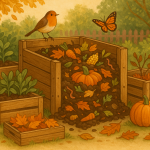
    • Healthy plant debris makes excellent compost
    • Chop stems before adding for faster breakdown
    • Avoid composting diseased material — dispose of it separately

    What to Leave (Nature’s Winter Blanket)

    Not everything needs to go! Leaving certain plants and debris in place protects wildlife, feeds the soil, and adds beauty to your winter landscape. Think of it as tucking your garden in under a cozy quilt.

    • Perennials: Coneflowers, rudbeckia, and ornamental grasses provide winter texture and bird seed.
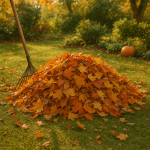
    • Leaf litter: Leave a thin layer under shrubs and trees — it shelters pollinators and enriches soil.
    • Root systems: Even dead annual roots prevent erosion and improve structure.
    • Seed heads: Finches and chickadees will thank you!
    Pro Tip: Cut perennials back to about 6–8 inches — enough to protect crowns but short enough to prevent rot.

    Soil Care: Feed Before the Freeze

    Before winter sets in, treat your soil to a nourishing meal. Fall is the perfect time to top-dress with compost, shredded leaves, or well-rotted manure. As these materials decompose over winter, they enrich the soil naturally — no digging required.

    • Spread 1–2 inches of compost over all beds
    • Mulch with straw or chopped leaves
    • Avoid synthetic fertilizers before frost — they promote tender growth
    Did You Know? Earthworms stay active in compost layers through early winter, quietly improving your soil while you rest.

    Tools & Tasks to Wrap Up the Season

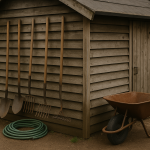
    • Clean and oil garden tools to prevent rust
    • Drain hoses and store them out of frost reach
    • Label perennials or new plantings before they vanish under snow
    • Take photos of your garden layout for next spring’s planning

    A Note on Wildlife & Pollinators

    Leaving a few untidy corners is a kindness to nature. Hollow stems house native bees, leaf piles shelter butterflies and frogs, and seed heads feed the birds. A “perfectly clean” garden may look neat — but it can feel empty to the creatures that make it alive.

    “Autumn reminds us that letting go is part of growth — in the garden and in life.”

     💚 Find more seasonal tips, composting guides, and heartwarming garden wisdom on our
    Henchy Family Gardens Bloghenchyfamilygardens where every season tells a story.

  • A Simple Daily Routine to Naturally Lower Cortisol

    A Simple Daily Routine to Naturally Lower Cortisol

    Henchy Family Gardens
    Reading time: 4 min

    🌱 A Simple Daily Routine to Naturally Lower Cortisol 🌱

    From the Garden to Your Body: Finding Balance the Natural Way

    At Henchy Family Gardens, we believe the lessons of the garden are also lessons for life. Just as plants need the right balance of sunlight, water, and rest to thrive, our bodies need balance too — and one of the biggest pieces of that puzzle is cortisol.

    Cortisol, often called the “stress hormone,” isn’t the villain it’s sometimes made out to be. In healthy amounts, it helps us rise with the sun, fuels our energy, and supports focus. But just like overwatering a plant can cause roots to rot, too much cortisol for too long can leave us anxious, tired, and out of rhythm.

    The good news? Nature shows us how to restore balance. Here’s a simple, natural daily routine — rooted in the wisdom of the garden — to keep cortisol steady and your body flourishing.


    🌅 Morning: Rise with the Sun

    Soak in natural light: Just as flowers open with the sunrise, let the light reset your body’s rhythm. Step outside or open your blinds first thing.

    Gentle movement: Stretch, practice yoga, or take a light walk. Think of it as loosening the soil before planting — you’re preparing your body without overworking it.

    Balanced breakfast: Fuel with a mix of protein, healthy fats, and whole grains — the way a garden thrives on rich, balanced soil.


    ☀️ Midday: Nurture & Hydrate

    Pause for breaks: Plants rest in the shade; so should we. Step away from screens, breathe deeply, or stroll outdoors to reset your energy.

    Stay watered: Just as no garden thrives without rain, our bodies need hydration to keep cortisol from rising.

    Eat mindfully: Choose colorful veggies, lean proteins, and whole grains — your “garden harvest” to nourish both body and mind.


    🌇 Evening: Slow the Growth Cycle

    Gentle evening activity: Skip high-intensity workouts late in the day. Instead, tend your garden, take a slow walk, or do light stretching — much like the garden winds down as the sun sets.

    Practice calm: Deep breathing, journaling, or quiet reflection is the compost of the soul — feeding your inner garden for tomorrow’s growth.


    🌙 Night: Rest Like the Soil

    Wind down naturally: Dim the lights, put away screens, and trade scrolling for reading, listening to music, or reflection.

    Prioritize sleep: Just as soil needs rest to restore nutrients, our bodies restore balance through 7–9 hours of deep, quality sleep.


    🌼 The Joy of Simple Things

    In the garden, joy comes from little things: a bloom opening, the hum of bees, the smell of herbs. The same is true in life. Laughter, connection, music, and time in nature are all natural ways to lower cortisol and nourish your inner garden.

                                🌻Final Thought🌻

    Here in the Henchy Family Gardens, we’ve learned that balance is everything. Cortisol is not something to fear — it’s part of your natural growth cycle. But by tending to your body as lovingly as you tend the soil, you’ll find resilience, calm, and joy taking root.

    🌱Together, let’s grow healthy gardens and lives one day at a time. 🌱

                   🌿A Note from the Garden🌿

  • Powdery Mildew Prevention & Treatment

    Powdery Mildew Prevention & Treatment

    🌿Keep your garden thriving, stop mildew before it spreads 🌿

    🍃Powdery mildew might sound harmless, but this common fungal disease can quickly blanket leaves, weaken plants, and spoil your harvest. The good news? You can prevent it and even reverse early outbreaks using gentle, garden-safe methods that align perfectly with the Henchy Family Gardens philosophy: care, consistency, and connection. 🍃

    What Is Powdery Mildew?

    Powdery mildew is a fungal infection that looks like a soft white or gray coating on plant leaves and stems — almost as if someone dusted your garden with flour. It thrives in **warm, dry days** paired with **cool, humid nights**, making it especially sneaky during late spring and summer transitions.

    • Common on cucumbers, squash, melons, tomatoes, roses, and zinnias
    • Spreads by airborne spores — so prevention is key!
    • Rarely kills plants outright but reduces vigor and yield

    How to Recognize It Early

    🌼 Early Signs

    • Small white or gray patches on upper leaf surfaces
    • Leaves may curl or distort slightly
    • Usually appears on lower or shaded leaves first

    🍃 Advanced Symptoms

    • Entire leaves coated in white dust-like film
    • Yellowing, drying, or dropping leaves
    • Slowed fruiting or flower production

    Prevention: The Best Cure

    Preventing powdery mildew starts long before you ever see it. Creating the right growing environment — with airflow, spacing, and sunlight — keeps your plants strong and resilient.

    • Plant spacing: Give each plant room to breathe; overcrowding traps moisture.
    • Morning watering: Water at the soil level early in the day so leaves dry quickly.
    • Prune for airflow: Remove crowded or lower leaves, especially on squash and tomatoes.
    • Rotate crops: Avoid planting the same family (like cucurbits) in the same spot yearly.
    • Choose resistant varieties: Look for “PM-resistant” on seed packets or tags.
    • Feed the soil: Healthy soil = healthy plants. Compost regularly to boost immunity.
    Pro Tip: Avoid high-nitrogen fertilizers — they cause lush, tender growth that mildew loves. Opt for balanced, slow-release feeding instead.

    Gentle, Garden-Safe Treatments

    Already spotted that white fuzz? Don’t panic. You can treat powdery mildew safely using simple, natural methods that protect pollinators and your soil.

    🌿 1. Neem Oil Spray

    Mix 2 tsp neem oil + 1 tsp mild soap in 1 quart of water. Spray weekly on affected leaves. Safe for most vegetables and ornamentals.

    🍶 2. Baking Soda Solution

    Combine 1 tbsp baking soda + ½ tsp liquid soap + 1 gallon of water. Spray every 5–7 days. Adjust strength for tender plants.

    🥛 3. Milk Spray

    Mix 1 part milk to 2 parts water. Apply in full sun twice a week. Works surprisingly well for cucumbers, squash, and zucchini!

    Bonus Tip: Remove heavily infected leaves (don’t compost them) and disinfect tools afterward.

    Support Your Garden’s Immune System

    • Top-dress with compost mid-season for extra nutrients.
    • Mulch soil to regulate moisture and reduce splashback.
    • Encourage beneficial insects and biodiversity.
    • Rotate plant families annually to break fungal cycles.

    Healthy ecosystems resist disease naturally — think of your garden as a community, not a battlefield. 🌾

    When It’s Time to Let Go

    If mildew overwhelms late-season plants, sometimes the kindest thing you can do is compost them and prepare for next year. Clean up all debris, disinfect tools, and rest the soil with a compost blanket for winter. Every garden has seasons of loss and renewal — that’s part of the story. 💛

    “In the garden, even challenges like mildew remind us that growth is about balance — too much, too little, and everything in between.”

    💚 For more gentle, practical tips, explore our
    Henchy Family Gardens Blog or Henchy family gardens where we grow knowledge, kindness, and a few giggles along the way.

  • How To Water Like A Pro (Without Overdoing It)

    How to Water Like a Pro (Without Overdoing It)

    Simple, science-smart watering for healthier, happier gardens

     Overwatering is the quiet culprit behind droopy leaves, root rot, and pest problems—yet underwatering can stress plants just as quickly. The secret isn’t watering more; it’s watering smarter:
    deep, steady moisture at the roots, delivered at the right time and pace for your soil, season, and plant type. Here’s your Henchy-style guide to getting it just right. 🌿

    Core Principles (Memorize These!)

    • Water deeply, less often: Aim to moisten the top 6–8 inches of soil so roots grow down, not up.
    • Early morning is best: Cooler temps = less evaporation and fewer fungal issues.
    • Soil first, leaves last: Water the base of the plant, not the foliage.
    • Match the method to your bed: Drip/soaker for beds, watering can/wand for containers and seedlings.
    • Mulch matters: A 2–3″ layer reduces evaporation and evens out soil moisture.

    The 3-Check Method (Takes 30 Seconds)

    1. Finger test: Insert a finger 2 inches into the soil. If it feels dry at your fingertip, it’s time to water.
    2. Lift test (containers): Pick up the pot. Very light = dry. Surprisingly heavy = wait.
    3. Leaf language: Wilting in the cool morning or crispy edges = dry; yellowing, mushy, or fungus gnats = too wet.
    Pro Tip: Use a wooden chopstick as a “moisture dipstick.” Push it 4–6″ into soil—if it comes out clean and dry, water.

    How Much & How Often?

    General rule of thumb: Many in-ground gardens do well with about 1 inch of water per week (rain + irrigation). Containers dry out faster.

    Plant / Setting Frequency (typical) Notes
    New seedlings / transplants Lightly daily for 7–10 days Keep top 1–2″ moist; then taper.
    Established veggies & flowers (in ground) 1–2×/week, deeply Adjust for heat, wind, and soil.
    Raised beds 2–3×/week Beds drain faster than native soil.
    Containers Daily in heat; every other day in mild temps Water until it drains from the bottom.
    Herbs (woody: rosemary, thyme) When top 2–3″ are dry Hate “wet feet.” Great drainage is key.
    Translate “1 inch per week”: Place a tuna can under your sprinkler or drip zone—when the can holds about an inch of water total (rain + irrigation), you’ve met the mark.

    Choose the Right Method

    • Drip irrigation: Most water-efficient; delivers steady moisture at the roots. Add a timer for consistency.
    • Soaker hoses: Great for rows and raised beds; snake them 6–12″ from stems and cover with mulch.
    • Watering wand/can: Ideal control for containers and tender seedlings.
    • Sprinklers: Convenient, but higher evaporation and more foliar wetting—use early morning only.
    🪴On Sustainability & Purpose🪴
    “Nature wastes nothing; everything becomes something beautiful.”

    Soil Smarts (Why Your Soil Changes Everything)

    • Sandy: Drains fast—water smaller amounts more often, and mulch generously.
    • Loam: The sweet spot—deep watering 1–2×/week usually works well.
    • Clay: Holds water—go slower and less often; avoid puddling and compaction.

    Upgrade any soil with compost + mulch. Compost improves structure; mulch reduces evaporation and keeps roots cool.

    Overwatered vs. Underwatered (Know the Signs)

    Too Wet

    • Yellowing leaves, soft stems
    • Fungus gnats, algae, sour smell
    • Wilting even when soil looks wet

    Fix: Pause watering, add airflow, loosen compacted soil, top-dress with dry compost, check drainage holes.

    Too Dry

    • Crispy edges, dull color
    • Soil pulling from the pot sides
    • Wilting that recovers quickly after watering

    Fix: Bottom-water containers, soak beds slowly, add mulch, and set a timer to maintain rhythm.

    Your 10-Minute Watering Routine

    1. Do the 3-Check Method (finger, lift, leaf).
    2. Base water until soil is moist 6–8″ deep (go slow; let it soak).
    3. Mulch bare soil; fluff existing mulch.
    4. Note today’s weather: heat/wind = more, cool/cloudy = less.
    5. Hydration time is observation time. 👀Quick pest glance👀

    Fast FAQs

    Is evening watering bad?

    It’s okay in a heatwave, but **morning is best** to reduce evaporation and fungal pressure.

    How do I rehydrate bone-dry potting mix?

    Bottom-water for 15–30 minutes or water in short rounds so it wicks in. Mix in a bit of compost to improve moisture retention.

    What about rain?

    Track weekly totals. If rain gives you ~1″, skip irrigation. Light showers (a sprinkle) rarely reach roots.

    Printable Mini-Checklist

    • Morning water? Base of plant only.
    • Deep soak 6–8″.
    • Mulch 2–3″ everywhere you can.
    • Adjust for heat, wind, and soil type.
    • Containers: check daily in summer.

    “Watering isn’t about doing more — it’s about giving roots exactly what they need, right when they need it.”

    💚 Want more gentle, practical guides like this? Visit our Henchy Family Gardens blog and henchyfamilygardens for weekly tips, stories, and encouragement.

  • Compost 101: From Kitchen Scraps to Garden Gold”

    Compost 101: From Kitchen Scraps to Garden Gold

    🍌Turn waste into wellness — one banana peel at a time 🍌

    Composting is nature’s quiet miracle, a way to recycle everyday scraps into soil so rich it practically hums with life. Whether you’re a beginner with a small bin or a seasoned gardener with a full compost corner, learning how to compost properly turns your kitchen and garden waste into the “black gold” your plants crave. Let’s dig into the basics together. 🌻

    What Is Composting?

    It’s the natural process of breaking down organic materials, like fruit peels, vegetable scraps, coffee grounds, and dry leaves into a nutrient-rich soil amendment. When balanced correctly, compost acts as a living sponge, improving soil structure, water retention, and plant health.

    Think of it this way: Composting is like slow cooking for the soil — low heat, the right ingredients, and a bit of patience create something nourishing and delicious for your garden.

    Why Compost? The Bountiful Benefits 

    • Reduces waste: Keeps food scraps and yard debris out of landfills.
    • Improves soil health: Adds nutrients, enhances drainage, and promotes beneficial microbes.
    • Retains moisture: Compost-enriched soil holds water longer, reducing watering needs.
    • Fosters resilience: Plants grown in compost-rich soil are better at resisting pests and disease.
    • Connects you to nature: A gentle reminder that nothing is wasted, give back to the earth.

    The Perfect Recipe: Browns + Greens + Air + Water

    Compost works best when it has a mixed balance of:                                                                           “browns” (carbon-rich materials) and “greens” (nitrogen-rich materials):

    🍂 Browns (Carbon)

    • Dry leaves
    • Paper towels & napkins (unbleached)
    • Cardboard shreds
    • Wood chips, sawdust
    • Straw, corn stalks

    🌿 Greens (Nitrogen)

    • Fruit & veggie scraps
    • Coffee grounds & filters
    • Tea bags (no plastic mesh)
    • Fresh grass clippings
    • Plant trimmings
    Pro Tip: Aim for about 3 parts brown to 1 part green. Keep it as moist as a wrung-out sponge — damp, not dripping.

    What Not to Compost

    • Meat, fish, or dairy (can attract pests)
    • Greasy or oily foods
    • Pet waste or litter
    • Diseased plants or weeds with seeds
    • Glossy paper or synthetic materials

    Keep your compost clean and plant-safe by sticking to natural, biodegradable inputs.

    Getting Started: How to Build Your First Pile

    1. Choose a spot: Shady and well-drained is ideal.       
    2. Layer it up: Start with coarse browns (twigs, straw), then alternate greens and browns.
    3. Moisten as you go: Lightly water each layer — not soggy!
    4. Turn every 1–2 weeks: Mix to add air and speed decomposition.
    5. Harvest in 2–6 months: Finished compost is dark, crumbly, and smells earthy.

    Troubleshooting Common Compost Issues

    Smells bad? 🫢

    Too wet or too many greens. Add dry leaves, shredded paper, and turn the pile to add air.

    Not breaking down? 🐢

    Too dry or too many browns. Add moisture and a handful of greens, then mix well.

    Bugs galore? 🐜

    That’s normal — most are helpers! Just bury kitchen scraps under a brown layer to reduce fruit flies.

    How to Use Finished Compost

    • In garden beds: Mix 1–2 inches into the top 6 inches of soil before planting.
    • As mulch: Spread a 1-inch layer around plants to retain moisture.
    • In potting mixes: Replace up to 20% of bagged soil with compost for nutrient boost.
    • As compost tea: Steep a shovel of compost in water for a gentle liquid fertilizer.
    Did You Know? A single handful of healthy compost contains more living organisms than there are people on Earth. 🌎

    “When we compost, we practice gratitude — returning what we’ve borrowed from the earth, so new life can grow.”

    💚 Explore more guides, garden stories, and soulful how-tos on our
    Henchy Family Gardens Blog — where growth and goodness go hand in hand.

    (more…)